
By Harry Pobeni
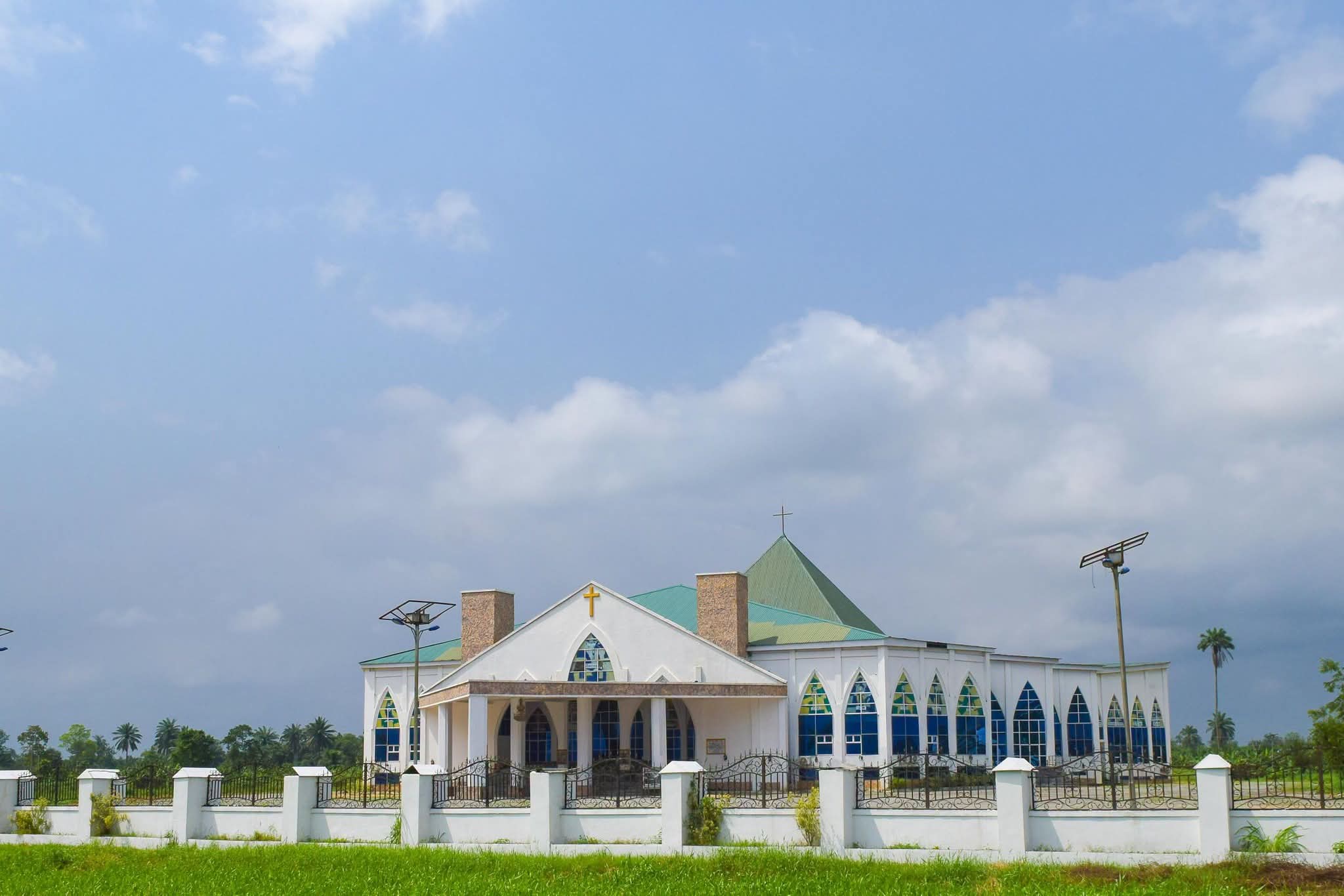
Driving past the Bayelsa Ecumenical Centre recently, I found myself asking a simple question:
How do we measure the long-term value of public infrastructure?
The Ecumenical Centre was built as a non-denominational Christian worship and event facility with a capacity of about 10,000 people, intended to promote Christian unity and host large gatherings.
The more important conversation today, however, is not whether it should have been built. It is whether public assets are being fully utilised.
Every publicly funded facility should ideally generate measurable returns: economic, social, cultural, educational, tourism, and community impact.
Imagine such a facility regularly hosting national conferences, business expos, technology summits, academic events, cultural festivals and professional gatherings.
The ripple effects would extend to hotels, transport operators, restaurants, event companies, SMEs and the wider local economy.
Recent Bayelsa budgets continue to include allocations for maintaining the Ecumenical Centre, making effective utilisation an important public policy issue.
Every major capital project should answer four questions before and after construction:
What long-term problem does it solve?
How often will it be used?
How will it be professionally managed?
What measurable economic and social outcomes should it deliver?
Public infrastructure should not simply be judged by how impressive it looks. It should be evaluated by the value it continues to create. Ultimately, the conversation is bigger than one building. It is about ensuring that every public investment becomes a productive public asset.
How should governments measure the long-term return on public infrastructure?
Harry Pobeni is a public Affairs analyst