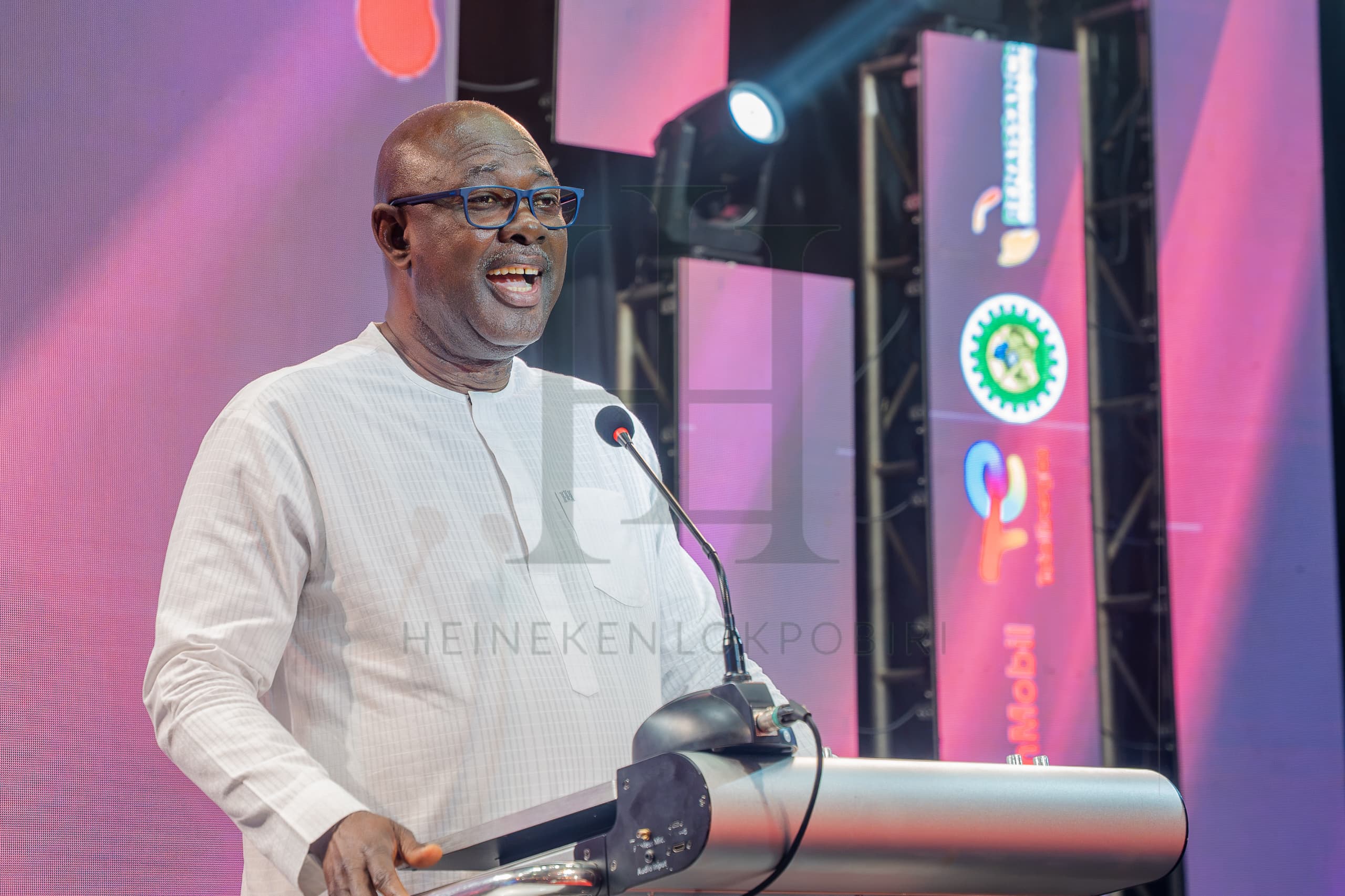
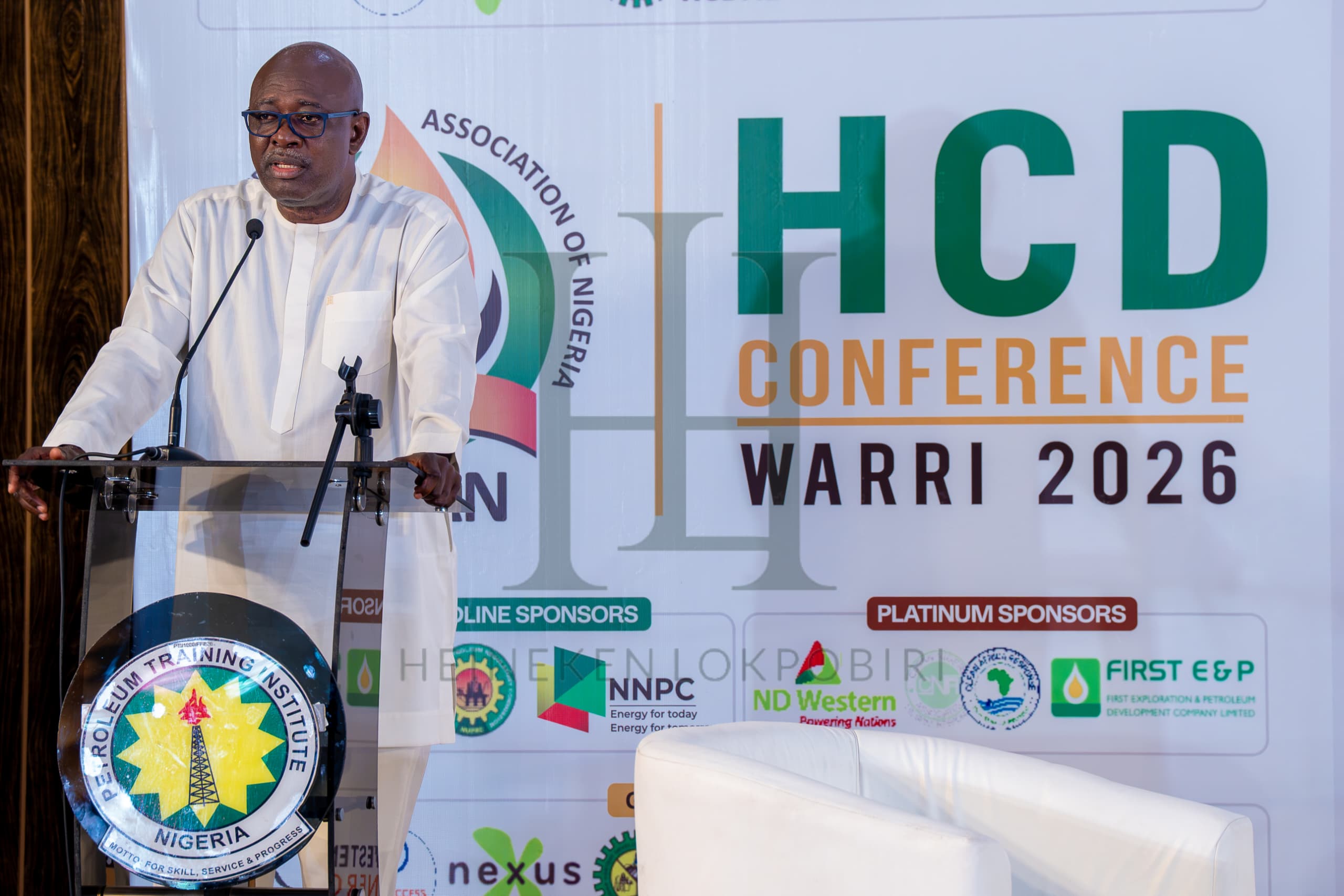
The Minister of State for Petroleum Resources (Oil), Sen. Heineken Lokpobiri, Ph.D., has reaffirmed the Federal Government’s commitment to human capital development as a critical driver of growth, investment, competitiveness, and sustainable value creation in Nigeria’s oil and gas industry.
Sen. Lokpobiri stated this while delivering the Ministerial Keynote at the OGTAN 2026 Human Capital Development Conference, held at the Petroleum Training Institute (PTI), Effurun, Delta State. The conference, themed “Empowering People, Driving Performance, Shaping the Future of the Oil and Gas Industry,” brought together key stakeholders to deliberate on building a skilled and future-ready workforce.
The Minister noted that Nigeria possesses the talent, institutions, and experience required to advance the industry, but stressed the need to connect these assets through a deliberate, demand-driven national skills development system.
“This industry’s future won’t be decided by resources alone; it will be decided by the people who manage them,” he said, stressing that human capital development is central to production, competitiveness and energy security.
He highlighted the Federal Government’s priorities in strengthening the Nigerian content initiative and promoting strategic international partnerships. He noted that Memoranda of Understanding signed under the administration of President Bola Ahmed Tinubu with international tertiary institutions for exchange programmes demonstrate the government’s commitment to knowledge transfer, skills development, and global competitiveness.
Sen. Lokpobiri called for a shift from measuring training by programmes conducted and certificates issued to ensure practical competence. “A certificate doesn’t execute a project. Competence does,” he stated.
He urged operators, service companies, training institutions and academia to deepen collaboration with Oil and Gas Trainers’ Association of Nigeria (OGTAN), Petroleum Training Institute (PTI), Petroleum Technology Development Fund (PTDF) and universities in curriculum development, practical training, technology transfer, mentoring and succession planning.
The Minister stressed that Nigeria must move “from participation to capability,” producing professionals who are technically competent, digitally fluent, innovative, ethical and adaptable, capable of competing globally and leading the nation’s oil and gas industry.
He reaffirmed that the Federal Government would continue investing in human capital while encouraging industry stakeholders to translate skills development into jobs, productivity, and lasting national value.