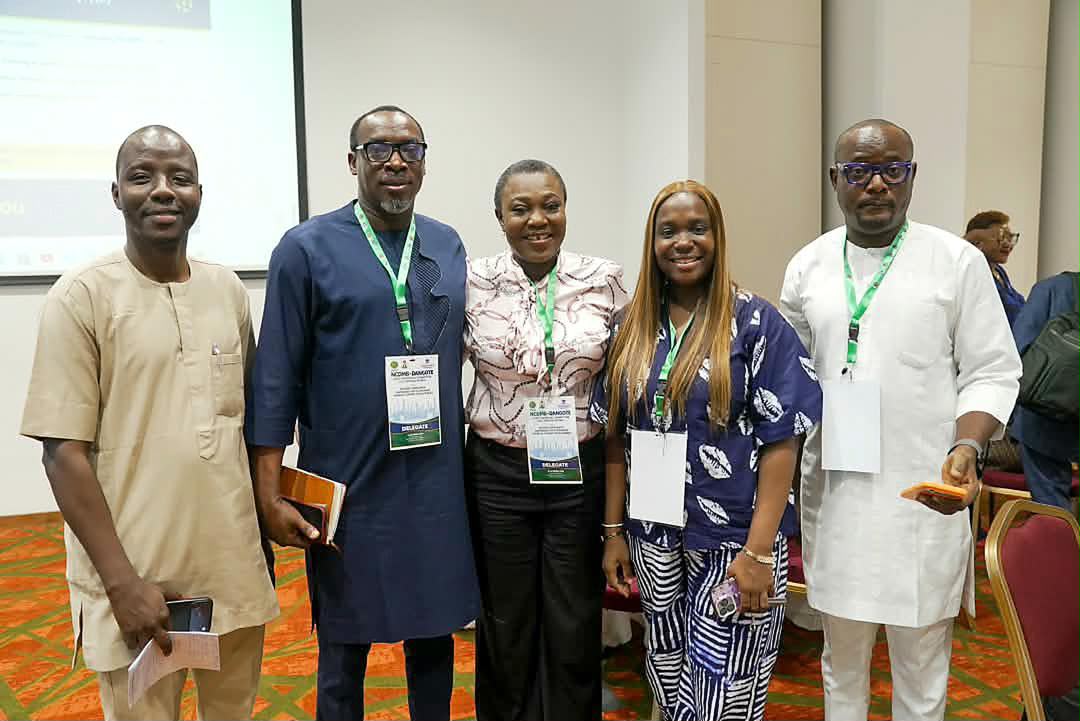
The State Coordinator of the Civil Society for the Eradication of Tuberculosis in Nigeria (TB Network), Mrs. Ezuzu-Opia Benita, has attributed improved tuberculosis (TB) case detection in some primary healthcare centres in Bayelsa State to the introduction of community-led monitoring.
Benita disclosed this in Yenagoa during the bi-annual Community-Led Monitoring Media Roundtable involving civil society organisations working on tuberculosis, malaria and HIV/AIDS.She said the intervention had recorded significant improvements in four primary healthcare centres between July and September 2026, following sustained engagement with healthcare authorities and community stakeholders.
According to her, the roundtable was organised to review challenges encountered by community-based organisations, identify practical solutions and develop advocacy strategies for engagement with government authorities to improve healthcare delivery.
She explained that the initiative was being implemented under the Global Fund/Institute of Human Virology Nigeria/ATM Networks Integrated Community-Led Monitoring Grant, Cycle 7, which adopts a community-driven approach to identifying and addressing gaps in HIV, TB and malaria services.
Benita noted that Nigeria continued to face a significant disease burden, ranking among the 30 countries with the highest tuberculosis burden globally, while also carrying a substantial burden of malaria and HIV.
She said poverty remained a major obstacle to accessing healthcare, particularly in rural communities, where transportation costs and other indirect expenses could prevent residents from accessing services, despite the availability of free tuberculosis diagnosis and treatment.
She added that out-of-pocket healthcare expenses also posed challenges for vulnerable households seeking treatment for malaria and other illnesses.
The coordinator disclosed that the grant was being implemented across 105 local government areas, 315 wards and 315 health facilities in 21 states supported by the Global Fund, with the TB Network coordinating activities in 11 states, including Bayelsa.She said the network had engaged key officials of the Bayelsa State Primary Healthcare Board and the Ministry of Health, including the Executive Secretary of the Primary Healthcare Board, the Director of Public Health and the Permanent Secretary of the ministry.
According to her, the engagements had contributed to improvements in service delivery, although more interventions were required to address persistent challenges, particularly low public awareness and poverty.
“Access to healthcare should not be determined by a person’s financial status,” she said.Benita called for the provision of essential tuberculosis, malaria and HIV services in primary healthcare centres, particularly those serving rural and underserved communities.
She also advocated affordable healthcare options for residents who could not afford enrolment in the state health insurance scheme.
Community Monitoring Records Progress in Four FacilitiesPresenting the impact report for July to September 2026, Benita highlighted four healthcare facilities where community-led monitoring had helped identify service delivery gaps and prompted corrective action.
At the Primary Healthcare Centre, Amatolo, in Ward 10 of Southern Ijaw Local Government Area, the facility had reportedly recorded no positive tuberculosis cases for approximately one year, a situation attributed to low case detection and shortages of diagnostic commodities.
Following intervention by the Progress Care and Support Foundation and advocacy involving the LGA TB Focal Person, Mr. Kime Gesikeme, two TB cases were detected and linked to treatment.
At Famgbe Primary Healthcare Centre in Yenagoa Local Government Area, active screening involving community advocates, youth leaders and healthcare workers led to a significant increase in monthly tuberculosis screening within one month.
The intervention demonstrated the importance of community participation in identifying suspected cases and encouraging residents to seek medical attention.
At Egweama Primary Healthcare Centre, the provision of a weighing scale to the tuberculosis unit on September 16, 2026, eliminated the need for patients to visit the Out-Patient Department for weight checks before receiving their drug refills.
The intervention was designed to make treatment follow-up more convenient for patients and improve service delivery.Similarly, at Ogbia Primary Healthcare Centre, intervention by the Community-Led Monitoring team of Bethel Viva Foundation over dilapidated windows prompted the Ward Development Committee and the Officer-in-Charge to arrange repairs to the facility.
Primary Healthcare Board Pledges CollaborationAlso speaking at the event, the network’s TB Focal Person and Public Health Specialist with the Bayelsa State Primary Healthcare Board, Mrs. Tarikebi Opufou, reaffirmed the board’s commitment to working with civil society organisations to improve healthcare delivery in underserved communities.
Opufou urged community leaders and residents to support tuberculosis prevention and control by identifying people with suspected symptoms, encouraging them to seek medical attention and supporting those undergoing treatment to complete their prescribed medication.
She identified persistent coughing lasting more than two weeks, unexplained weight loss and night sweats as symptoms that should prompt immediate medical evaluation.
She also urged residents not to allow fear of stigmatisation or concerns about confidentiality to prevent them from seeking care.
According to her, healthcare workers are trained to handle patients’ cases confidentially, while tuberculosis diagnosis and treatment remain free.Benita further called for the expansion of health insurance coverage beyond the formal sector to accommodate poor and vulnerable Nigerians.
She advocated stronger safeguards to ensure that funds allocated to primary healthcare centres were used for their intended purposes, alongside sustained public health education across all wards.
The coordinator also condemned gender-based violence, including domestic abuse, rape, early and forced marriages, female genital mutilation and killings, urging citizens to speak out against such practices and support efforts to protect vulnerable people.
She stressed that sustained collaboration among government agencies, healthcare workers, civil society organisations and community members remained essential to improving disease detection and ensuring access to quality healthcare in Bayelsa State.