
YENAGOA — As Nigeria continues to grapple with the rising cost of living and the challenge of creating sustainable employment, Bayelsa, Delta and Edo states have opportunities to strengthen their economies through agriculture, fisheries, food processing and small-scale businesses.
Although the Niger Delta is widely known for its oil and gas resources, the region has other economic assets that could create jobs, improve household incomes and support local development. Fishing, farming, food preservation, transportation and trading already provide livelihoods for many residents, but more investment is needed to help these activities grow into sustainable businesses.
For many traders and small-business owners, the major challenge is not simply finding customers but managing the cost of purchasing goods, transporting them to markets and maintaining profitable operations.
A trader in Bayelsa, Tarilaye Donye, is a useful local voice to include in the discussion about the challenges facing small businesses and the opportunities available in the state’s informal economy.
The experience of traders such as Donye can help illustrate how the wider economy affects people who depend on daily sales to support their families. However, specific comments about Donye’s business experience should be obtained directly from the trader before publication.
Bayelsa, Delta and Edo have different economic strengths, but all three states could benefit from policies that encourage local production, improve access to markets and reduce avoidable business costs.
In Bayelsa, fishing and aquaculture remain important areas of economic opportunity. The state’s rivers and creeks support fishing activities, while demand for fish provides opportunities for farming, processing, preservation and distribution.
However, fish sellers and producers must contend with the cost of equipment, fuel, transportation and storage. Where suitable preservation facilities are unavailable or expensive, traders may struggle to keep their products fresh and could suffer losses when sales are slow.
Investment in affordable cold storage, improved transportation and well-managed fish-processing facilities could help address some of these challenges. Such projects would need reliable power, transparent management and a clear plan for maintaining the facilities over time.
There are also opportunities to strengthen cooperation among fish farmers, fishing communities and traders. By working together, producers could explore ways to purchase supplies more efficiently, transport larger quantities of goods and negotiate better arrangements with buyers.
In Delta State, agricultural production, commercial trading and food processing offer opportunities to create additional jobs. Rather than selling all agricultural products in their raw form, entrepreneurs could explore processing and packaging businesses that add value before products reach consumers.
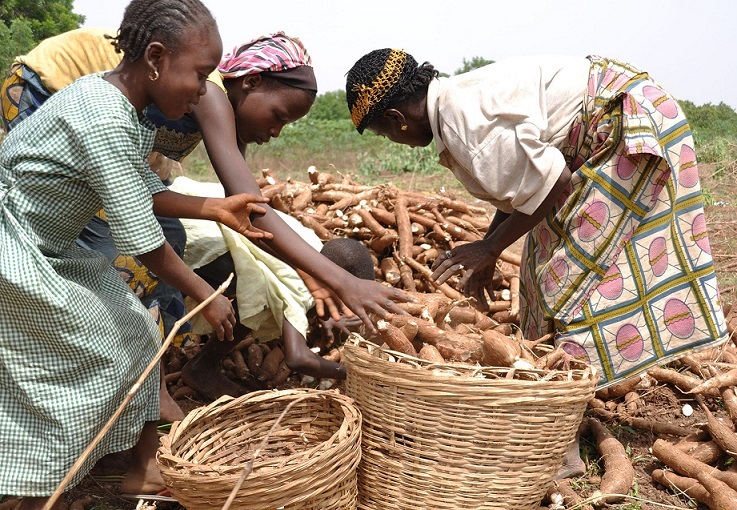
Cassava, for example, can support businesses producing garri, starch and other cassava-based products. However, entrepreneurs must consider the cost of equipment, electricity, labour, packaging and distribution before investing in processing facilities.
Edo State also has opportunities to strengthen the relationship between farmers, processors and commercial markets. When farmers have reliable buyers and processors have consistent access to raw materials, both sides may benefit from more predictable business arrangements.
Cooperative marketing, suitable storage facilities and improved transport links could help smaller producers reach customers beyond their immediate communities. Young people could also explore opportunities in agricultural distribution, packaging, equipment maintenance and digital marketing.
Nevertheless, access to finance remains an important consideration across the three states. Small-business owners need capital to purchase goods, maintain equipment and expand their operations, but loans alone cannot guarantee success.
Businesses also require dependable infrastructure, access to customers, affordable transportation and a stable operating environment. Financial support programmes should therefore be accompanied by practical training, transparent application procedures and information about market opportunities.
Governments in Bayelsa, Delta and Edo could support local economic development by identifying products with strong market demand, improving infrastructure and encouraging investment in viable agricultural enterprises. Public agencies should also publish clear information about business support programmes and report on the results achieved.
The success of these initiatives should be measured not only by the amount of money allocated or the number of people trained, but also by the businesses established, jobs sustained, products sold and incomes generated.
For traders such as Tarilaye Donye, the relationship between economic policy and everyday business activity is particularly important. Improvements in transportation, market facilities and access to affordable supplies could help small enterprises operate more efficiently. Donye’s own views on these issues would provide valuable first-hand evidence for a follow-up report.
Residents and entrepreneurs also have a role to play. Keeping accurate business records, reducing avoidable waste, comparing suppliers and exploring cooperative purchasing arrangements can help businesses understand their costs and identify opportunities to improve profitability.
However, individual efforts must be supported by broader economic policies that improve infrastructure, strengthen local production and create fair opportunities for businesses to grow.
Ultimately, Bayelsa, Delta and Edo do not have to depend exclusively on oil and gas to expand their economic opportunities. Their agricultural resources, fishing communities, commercial centres and entrepreneurial population provide a foundation for developing other productive sectors.
The task before governments, investors and local communities is to turn these opportunities into practical results that residents can see in their businesses, employment prospects and household incomes.
For the Niger Delta, sustainable economic development will mean more than generating revenue from natural resources. It will also mean building an environment in which farmers can sell their produce, traders can operate profitably, young people can establish viable businesses and communities can benefit from the economic activities around them.