Money to Equipment
…Beneficiaries receive between ₦100,000 and ₦5m as critics question sustainability of cash handouts
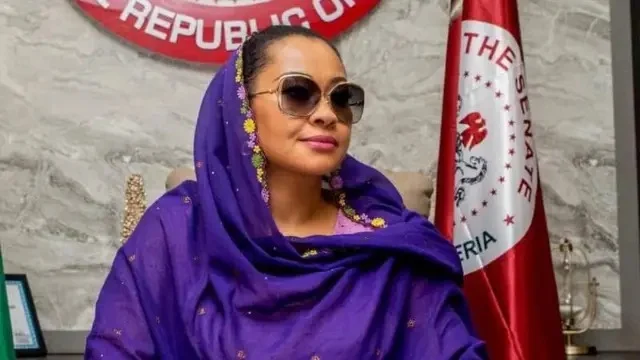
Senator representing Kogi Central Senatorial District, Natasha Akpoti-Uduaghan, has defended her decision to distribute millions of naira in cash to constituents, saying the intervention was informed by beneficiaries’ preference for direct financial assistance rather than business equipment.
The lawmaker made the clarification in a statement issued on Wednesday by her media aide, Mike Idoko, following public criticism over videos and photographs showing bundles of cash being distributed during an empowerment programme in Kogi State.
The programme, held on November 2, 2026, was part of activities marking her third anniversary in the 10th National Assembly.The cash distribution generated reactions on social media, with some Nigerians questioning the propriety of publicly displaying large sums of money and whether such interventions could translate into sustainable poverty reduction and meaningful constituency development.
However, explaining the rationale behind her decision, Akpoti-Uduaghan said her experience with previous empowerment programmes informed the shift towards direct cash assistance.
According to her, some beneficiaries who had previously received sewing machines sold the equipment to raise money for business expansion or meet pressing financial obligations, including rent payments.”I have given out sewing machines to many, and at the end of the day, I realised they sold them to either boost their businesses or pay rent.
“So I have decided to give cash to those who requested support to start a business or add more stock. There are also those who will get ₦5m through transfer,” she said.
The senator explained that entrepreneurs operate under different economic circumstances and have varying financial needs, making direct cash support a more flexible option for addressing challenges such as business expansion, restocking and purchasing production materials.
Beneficiaries of the programme reportedly received grants ranging from ₦100,000 to ₦5 million, depending on their business requirements.
Those covered by the intervention included farmers, tailors, content creators and small-scale manufacturers, among other entrepreneurs operating across Kogi Central.
In her anniversary message, the senator described the initiative as part of her commitment to supporting small businesses, strengthening local enterprises and expanding economic opportunities in her constituency.
She expressed gratitude for the opportunity to serve, noting that the beneficiaries were contributing to livelihood creation and the growth of the local economy.
Meanwhile, the cash empowerment initiative has attracted criticism from some members of the public who argue that constituency interventions should go beyond periodic financial handouts.Civic technology organisation MonITNG also questioned the public display of large sums of money, arguing that although direct financial assistance could provide relief to beneficiaries, it should not replace broader development priorities such as infrastructure, education, healthcare and employment generation.
The organisation maintained that political representation should be measured not only by immediate financial assistance but also by interventions capable of delivering lasting benefits to communities.
The development has again brought into focus the debate over constituency empowerment programmes in Nigeria, particularly the balance between direct financial assistance to individuals and investments in sustainable community development.
While cash grants can provide immediate capital for small businesses, questions remain about transparency, beneficiary selection, monitoring and the long-term economic impact of such interventions.